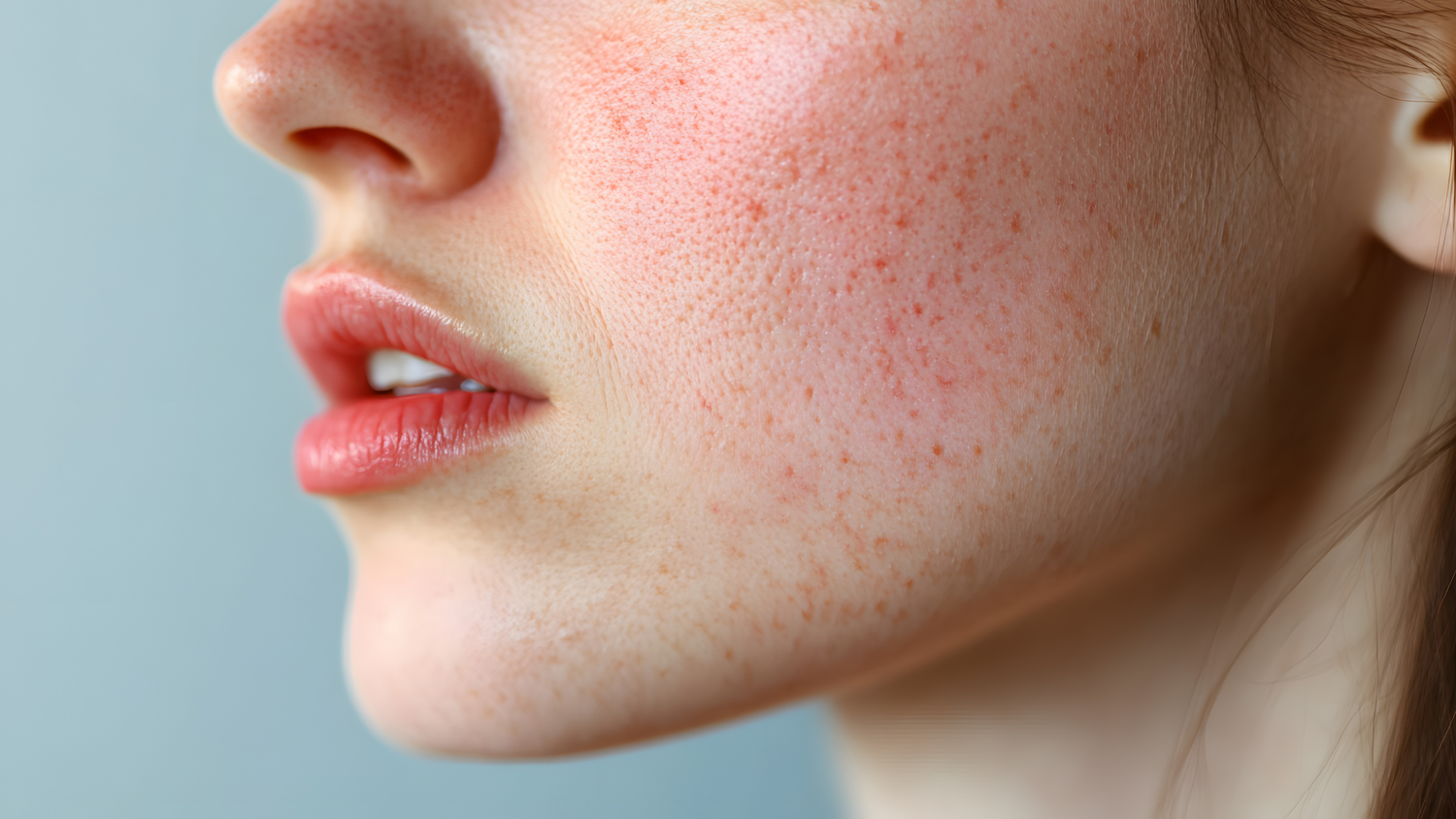
Impaired barrier function of the skin happens to everyone and it occurs when the protective layer of the skin loses its ability to retain moisture and defend against external influences.

The most common causes include: excessive cleansing, excessive exfoliation, inadequate skincare, UV radiation, pollution and adverse climatic conditions such as dry air.

When the skin barrier is damaged, transepidermal water loss increases, and the skin becomes superficially dry, sensitive, reactive and prone to inflammation.

A damaged barrier makes it easier for irritants and bacteria to penetrate, which can worsen acne, redness and burning sensations. Proper skin barrier repair is based on gentle care, optimal hydration and ingredients that strengthen the skin's lipid layer.

What exactly is a skin barrier?

The skin barrier is a protective layer of the skin that is located in the most superficial part of the epidermis and plays a key role in preserving the health of the skin.

It consists of horny cells and lipids (ceramides, cholesterol, fatty acids) that together act like "bricks and mortar", preventing moisture loss and the penetration of harmful external influences.

A healthy skin barrier maintains optimal hydration, protects against bacteria, irritants and pollution and reduces the risk of inflammation and sensitivity.

The skin barrier loses up to 30% more moisture when damaged, which explains why a compromised skin barrier quickly leads to dryness, tightness, and irritation.


Ceramides make up about 50% of the skin barrier lipids,
and their deficiency is directly linked to sensitive skin, acne and atopic dermatitis.


The pH of healthy skin is slightly acidic
, which helps maintain a healthy microbiota and prevents the proliferation of pathogenic bacteria.

Compromised barrier

Recommended

  • Use mild, pH-balanced products
  • Apply moisturizers with ceramides regularly
  • Use sun protection every day
  • Drink enough water to hydrate internally
  • Be patient - barrier recovery can take several days
  • Use gentle, non-abrasive cleaning methods

Avoid

  • Avoid mechanical peeling and exfoliants until the barrier recovers
  • Do not use products with alcohol and perfume
  • Avoid excessive face washing
  • Don't use hot water to wash your face
  • Avoid introducing too many new products at once
  • Avoid overly layered routines until the barrier heals

Need help choosing?

Our team is at your disposal for any questions about our products or a protocol tailored just for you. Contact us via the form and we will respond as soon as possible.