HYPERPIGMENTATION PROTOCOL

Dark spots, post-acne marks, and uneven skin tone: how to choose the right skincare?

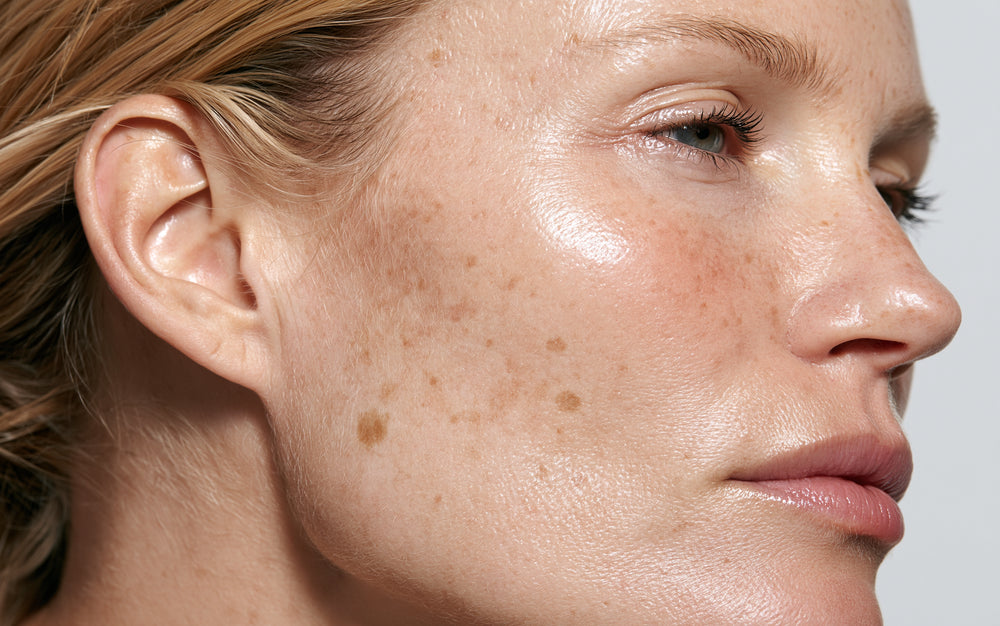
Hyperpigmentation occurs when the skin produces too much melanin or when melanin is unevenly distributed. It can result from UV radiation, inflammatory processes, hormonal changes, or a combination of different factors.

Although they may look similar, not all types of hyperpigmentation have the same underlying cause. That is why effective skincare involves not only fading existing dark spots but also targeting the processes that contribute to their formation.

A well-designed skincare regimen combines targeted active ingredients, 
gradual skin renewal, and daily photoprotection to gradually promote a more even skin tone and reduce the visibility of existing pigmentation.

Identify your type of hyperpigmentation

Different types of hyperpigmentation require different approaches to skincare.

Post-inflammatory hyperpigmentation (PIH)

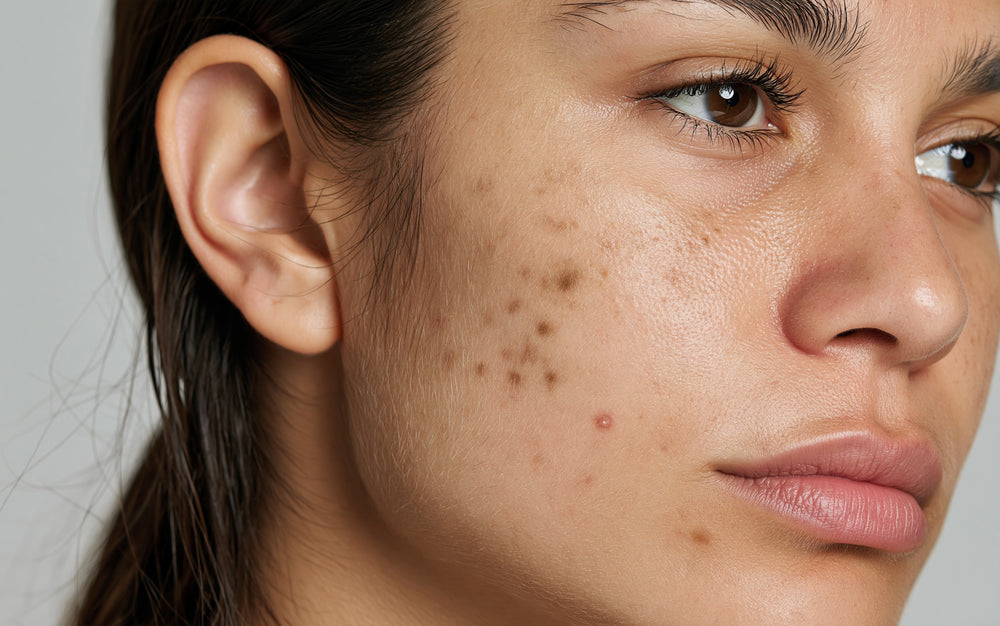
Post-inflammatory hyperpigmentation (PIH)

Dark marks left behind by acne and inflammation

Brown or grayish spots that remain after breakouts, irritation, or other inflammatory processes. They develop as a result of increased melanin production in response to inflammation.

Skincare approach

Regulation of pigmentation, inflammation control, and gradual skin renewal.
Melasma

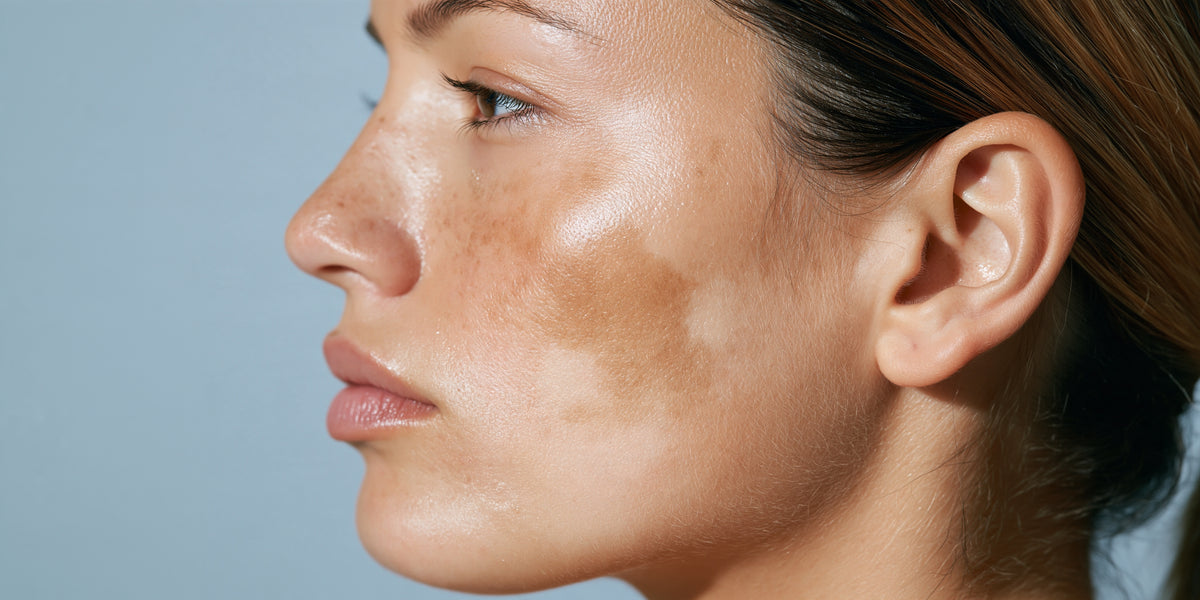
Melasma

Pigmentation associated with hormones and UV exposure

Typically appears as symmetrical brownish patches on the cheeks, forehead, or above the upper lip. It is associated with hormonal influences and light exposure and is prone to recurrence.

Skincare approach

Consistent photoprotection and targeted treatment of pigmentation, alongside dermatological assessment.

Sun-induced pigmentation

Sun-induced pigmentation

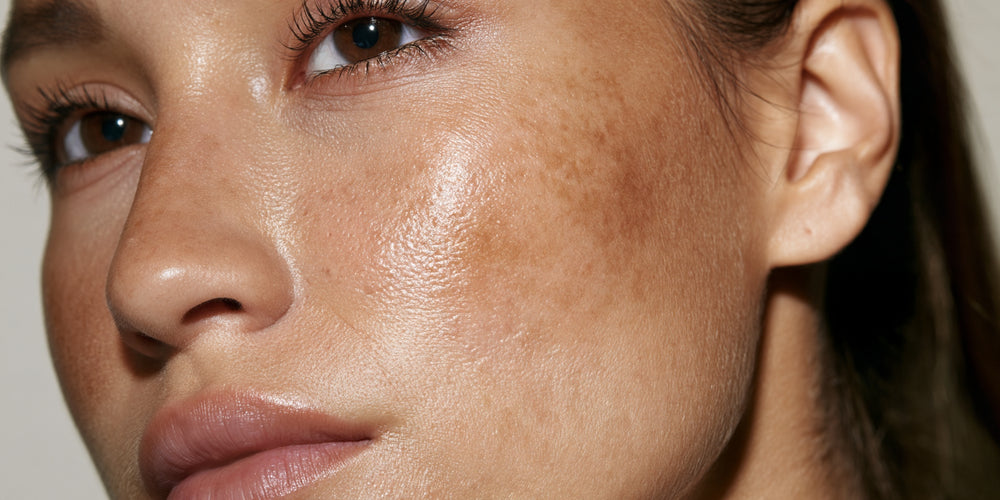
Dark spots caused by prolonged UV exposure

Appears as well-defined darker spots, most commonly on the face, hands, and other sun-exposed areas.

Skincare approach

Antioxidant skincare, epidermal renewal, and daily UV protection.

Pigmented lesions that change in shape, color, or size should be examined by a dermatologist.

How does hyperpigmentation develop, and where do active ingredients work?

Reduce excessive melanin production

Melanocytes produce melanin with the help of the enzyme tyrosinase. UV radiation, inflammation, and other stimuli can increase melanin production, leading to the formation of dark spots.

Reduce oxidative stress

UV radiation promotes the formation of free radicals that can contribute to increased melanin production. Antioxidants help neutralize free radicals and support the skin's protection against oxidative stress.
Skintegra Superba C koncentrirani serum s 10% vitamina C (SAP), vitaminom E i feruličnom kiselinom u bočici sa ženom
Skintegra Superba C

Brightening and revitalizing serum for hyperpigmented skin

€30,90€1.030,00 / 1l

Promote the turnover of pigmented skin cells

Melanin is also present in epidermal cells. Their gradual turnover is one of the processes that contribute to reducing the appearance of superficial pigmentation.
Skintegra Lumion potentni tekući eksfolijant u formi tonika na bazi AHA i PHA kiselina u bočici koji žena dozira
Skintegra Lumion

Liquid exfoliant for uneven skin

€27,00€270,00 / 1l

Prevent further darkening of pigmentation

UV radiation is one of the main factors contributing to the development and worsening of hyperpigmentation. Without daily photoprotection, the results of targeted skincare may be limited.

How does the SK-PIGMENT protocol work?

REGULATION

Targeted active ingredients act on different processes associated with excessive melanin production.

What should a daily skincare routine for hyperpigmentation look like?

Morning: targeted treatment

After gentle cleansing, apply Superba C for daily antioxidant care or C-50 | TXA-14.5 for a more intensive treatment of pigmentation concerns. Prepare and use C-50 according to the instructions, using water only.

Every day: prevention

Apply a sufficient amount of Solar II SPF 50. Reapply regularly during sun exposure.

Evening: renewal

After cleansing, use Retiron in a concentration suited to your skin's tolerance. Beginners are advised to start twice a week, gradually increasing the frequency.

As needed: exfoliation

Introduce Lumion once a week, adjusting the frequency according to your skin's tolerance. Do not use it on the same evening as Retiron.

Daily: barrier support

Complete your routine with a moisturizing cream, such as Cica-Cera or Spectra, depending on your skin's needs. Maintaining a healthy skin barrier is particularly important, as irritation can worsen post-inflammatory hyperpigmentation.

How long does it take to see visible results?


Hyperpigmentation does not develop overnight, and reducing its appearance takes time.

Early improvements in skin radiance and tone evenness may appear sooner, while reducing the appearance of more pronounced pigmentation usually requires several weeks or months of consistent skincare.

Results depend on the type and depth of pigmentation, the active ingredients used, skin tolerance, and consistency of UV protection.

Quick skincare guide for hyperpigmentation-prone skin

Recommended

  • Use SPF 50 daily and reapply regularly.
  • Choose targeted active ingredients according to the type of pigmentation.
  • Introduce new treatments gradually.
  • Keep the skin hydrated and support its barrier function.
  • Stay consistent and monitor changes over time.

Avoid

  • Over-exfoliation and combining multiple potent active treatments at once.
  • Unprotected UV exposure.
  • Picking or squeezing pimples and unnecessarily triggering inflammation.
  • Continuing treatments that cause significant irritation.
  • Using retinal during pregnancy.